Body color ranges from red to brown. White grub phase of the japanese beetle life cycle is very destructive to turf grasses.
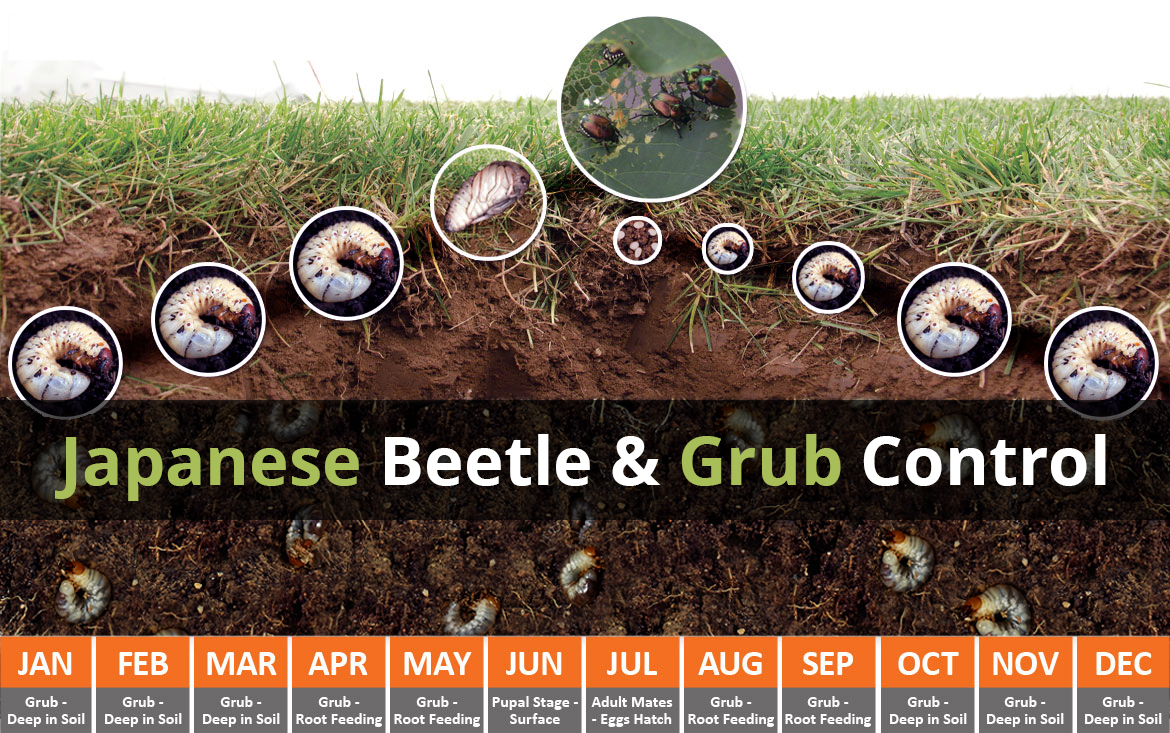
Japanese Beetle Grub Control - Blue Grass Lawn Care Landscaping Service
The colorful, gleaming beetles start their life as white grubs living in the ground before emerging to wreak havoc on garden plants.
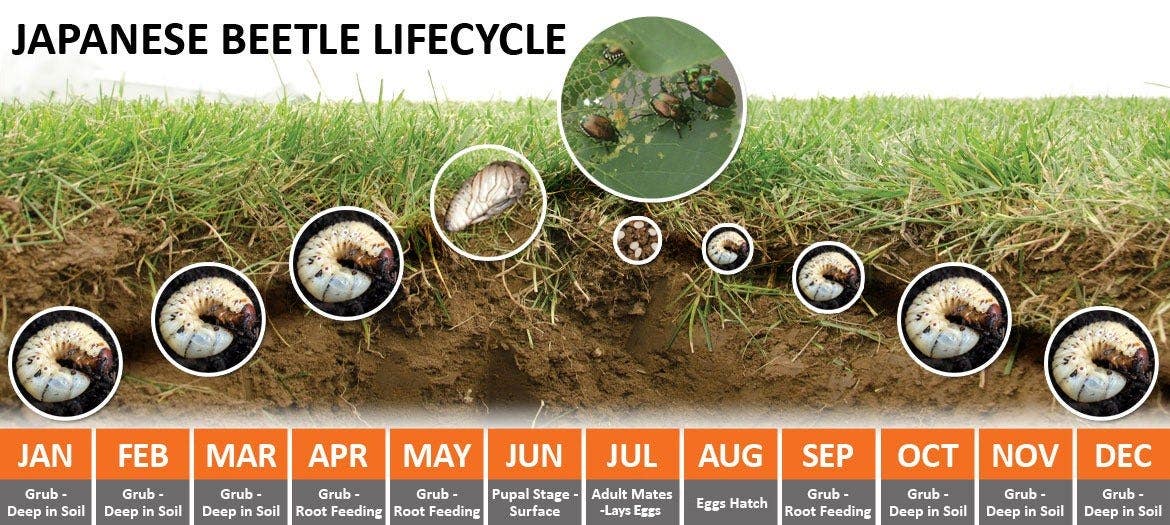
Japanese beetle life cycle pictures. James kalisch, university of 1⅛ inches (25 to 28 mm) long (figure 5), causes the most nebraska) figures 2 and 3. Japanese beetles cause leaves to appear skeletonized. After the egg hatches in summer, the grub feeds on roots until the following summer when it emerges as a shiny beetle.
White grub species japanese beetle masked chafer may or june beetle green june beetle black turfgrass ataenius others • can be identified using the raster pattern. Can clear an entire fruit tree in 15 minutes in a swarm. Adults feed on the foliage and fruits of several hundred species of fruit trees, ornamental trees.
There are several scarabs with the common names of may or june beetles. Although the lifecycle of the adult japanese beetle is barely 40 days, it can cover a lot of ground. After mating, that afternoon the females deposit one to four eggs in loose, moist soil.
Smell is thought to play an important part in the location of a mate. Appearance of adult, the timing of oviposition and subsequent development have been shown to vary with latitude, altitude, and also from year to year (fleming 1972). Unl • larvae of scarab beetles.
Both as adults and as grubs (the larval stage), japanese beetles are destructive plant pests. Each female can lay up to 60 eggs in a lifetime. Signs of japanese beetle damage
Adults are usually larger (1 inch in length) and oval in shape. Named after a japanese spider demon. Pupa stage is the dormant phase of the japanese beetle life cycle.
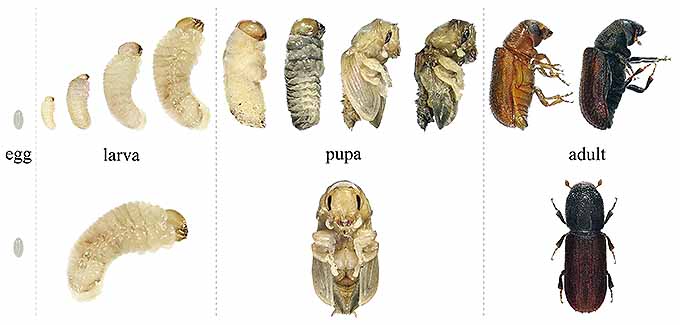
Eggs usually take between 10 and 14 days to hatch, after which larvae emerge. Some beetles can display extremely intricate behaviour when mating. The larval stage is the principal feeding stage of the life cycle of goldsmith beetles.
Japanese beetle adults feeding on viburnum leaf (left) and rose leaves (right). The life cycle of insects. Nebraska extension entomologist jonathan larson talks about controlling the japanese beetle
Like most beetles, goldsmith beetles are endopterygotes that completely metamorphose. Even if you succeed in controlling your japanese beetle population, your neighbor's japanese beetles might come on over. Popillia japonica originates from northeastern asia where it is native in northern japan and in the far east of russia (fleming, 1972).fleming’s (1972) report of p.
Here are the stages in the lifecycle of a japanese beetle. It’s not easy to spot the japanese beetle at first. In japan, the beetle is most abundant in northern honshu and all of hokkaido where grasslands.
Japanese beetle adult with five white tufts of hair on each side of the Overview of japanese beetle life cycle with bill riden. That’s because much of its life cycle takes place underground.
Japanses beetle females lay eggs in small clusters just below the soil of the surface. Once eggs hatch, larvae burrow to reach a food source and tend to feed voraciously; It is not very destructive in japan, where it is controlled by natural predators, but in north america, it is a noted pest of about 300 species of plants including rose bushes,.
Japanese beetle have one complete life cycle that lasts an entire year. Japanese beetles (popillia japonica) are small, destructive pests that feed on plant foliage, destroying the leaves of many ornamental plants, trees, and shrubs.japanese beetles look like shiny insects with green and gold iridescent coloring. Adults feed on a wide variety of plant foliage, but they are not considered field crop pests in iowa.
The life cycles of insects are divided into two basic groups: During warm days, the beetles fly and congregate on host plants to feed and, more importantly, mate. Orkin termite treatment, pest control & exterminator service
They are regarded closely similar to the japanese beetle, but for the arrangement of spines. See more ideas about japanese beetles, garden pests, garden pest control. There are more than 5,000 species worldwide!
Conflict can play a part in the mating rituals of some species such as burying beetles where conflicts between males and females rage until only one of each is left, this ensures. Japanese beetle larvae can feed on the roots of many types of plants, but prefer grass if it is available.
Japanese Beetle Management In Minnesota


Time To Watch Out For Japanese Beetle News Unionspringsheraldcom

Japanese Beetle Ohioline

Japanese Beetle Life Cycle - Youtube

Japanese Beetle Ohioline

How To Keep Japanese Beetles Out Of Your Colorado Garden
How To Get Rid Of Japanese Beetles Gardeners Path

Bugs For Growers Target Japanese Beetle Larvae With Entomopathogenic Nematodes In The Fall Bugs For Growers

Life And Death Cycle Of Japanese Beetles

Japanese Beetles On Ornamental Landscape Plants Nc State Extension Publications
Heartland Outdoors Food Plotting Japanese Beetle Season


Spotting South East Pa Japanese Beetles Blog Langs
Life Cycle Of The Japanese Beetle Including A Eggs David Cappaert Download Scientific Diagram
Japanese Beetle And Grub Control Am Leonard Inc
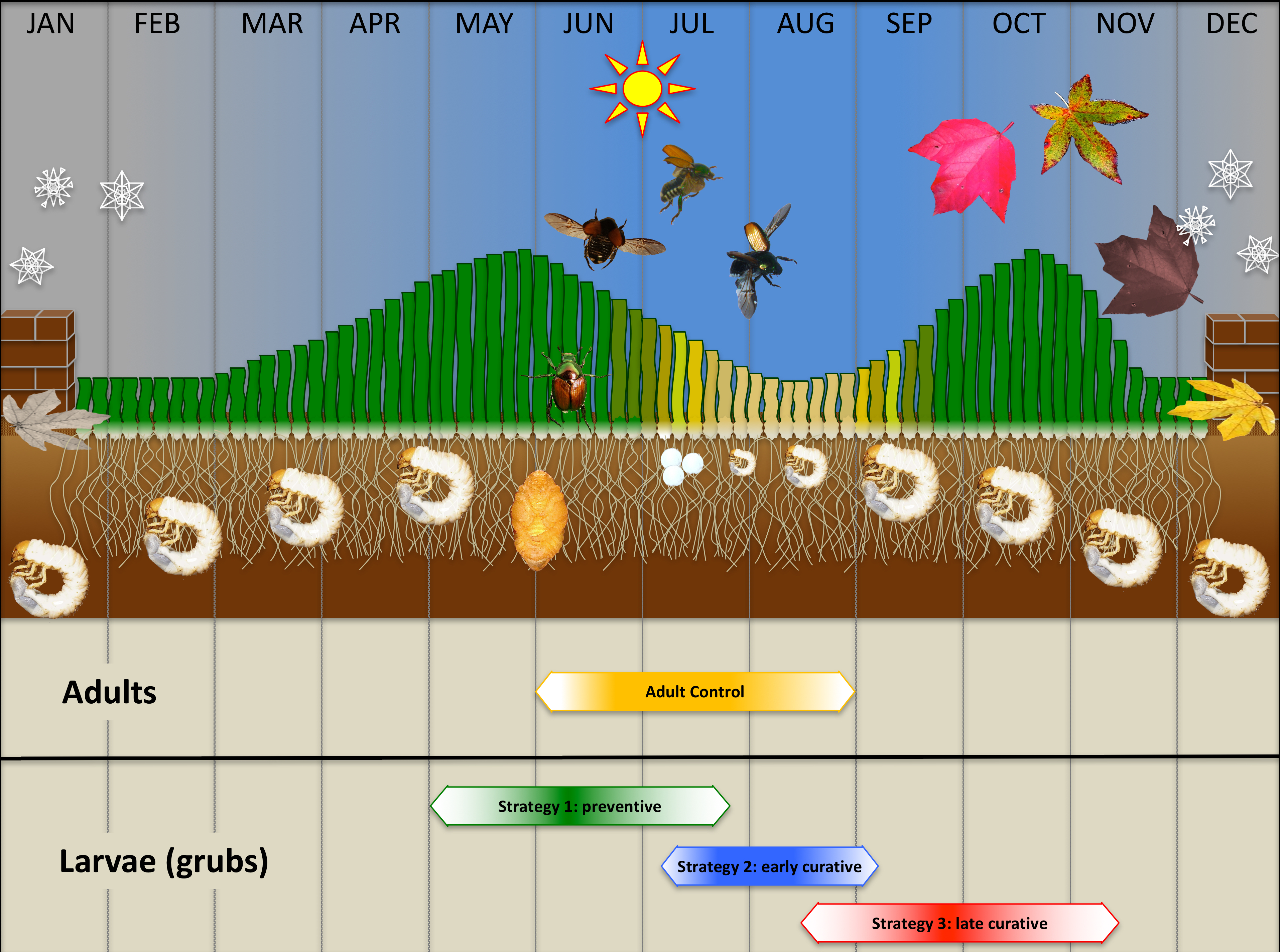
Japanese Beetles In The Urban Landscape
Japanese Beetle

Colorado Garden Punch List - Betty Cahill Japanese Beetle Spring Larvae Control


Japanese Beetles In The Urban Landscape

Vegetable Scarab Beetle Japanese Oriental And Asiatic Garden Beetles Center For Agriculture Food And The Environment At Umass Amherst
Comments
Post a Comment